
General Audience
Dr. Churpek’s research aims to improve how we identify which individuals have an inherited blood disorder or cancer predisposition syndrome so that we can understand specific health risks and optimize early detection and prevention. Her team studies the DNA of individuals and families with blood problems, lung scarring (pulmonary fibrosis), or cancer in patterns that suggest individuals in a family share one or more inherited genetic variant(s) that is/are major factors involved in their health. Her team uses advanced tools to look at many genes at once and collaborates with scientists and clinicians around the world.
When blood isn’t a good option for genetic testing, her team uses skin cells to get more accurate results. Her lab also works on special lab tests to figure out whether rare gene changes found in an individual or family are the cause of their predisposition by proving the genetic change impairs the function of that gene. This helps patients and their doctors be better able to use their genetic testing results to improve their care. Dr. Churpek’s team is focused on making these tools easier to use in real-world clinics so that more patients can get the right diagnosis and care.
Scientific Audience
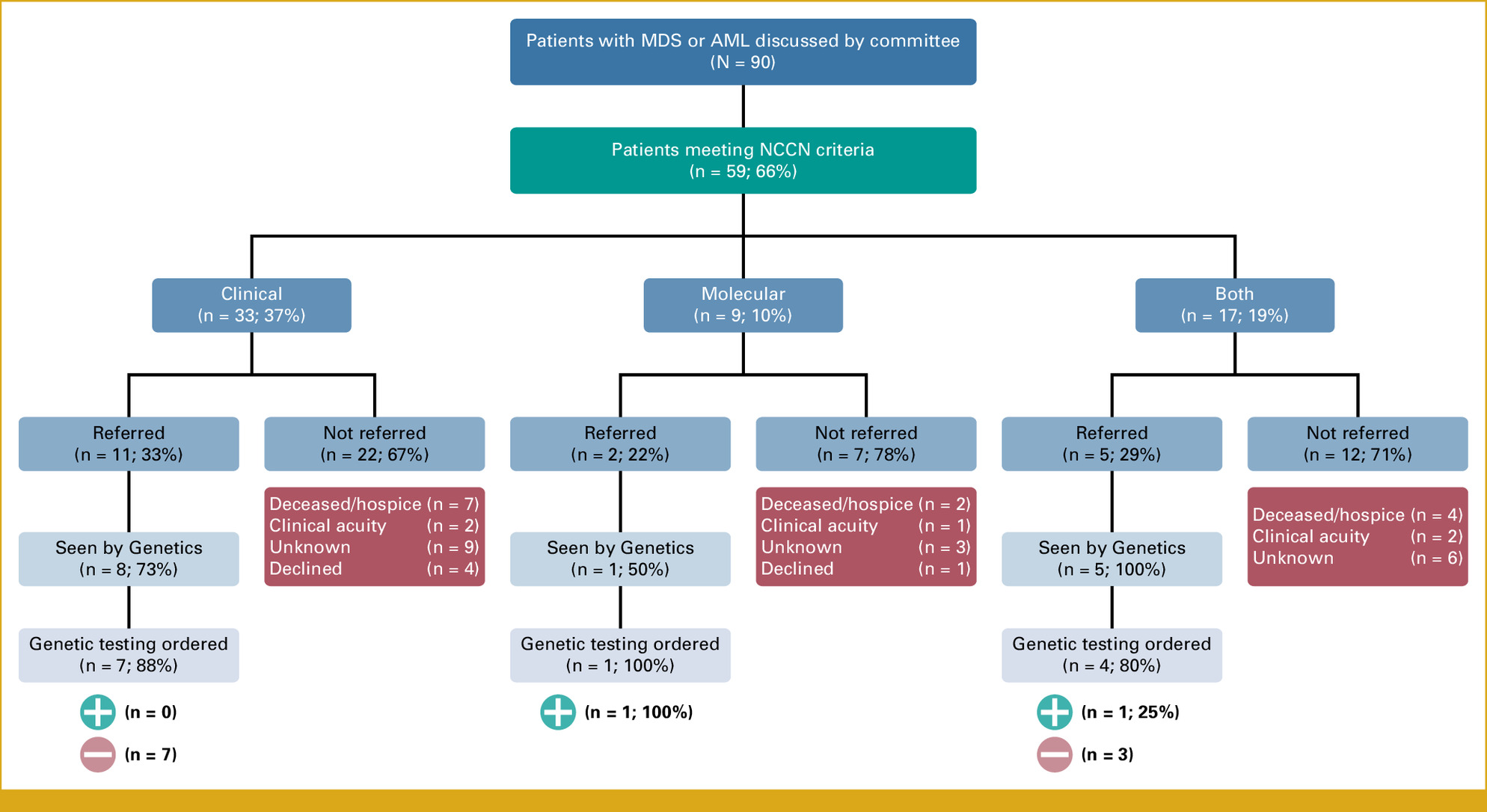
Dr. Churpek’s research focuses on optimizing genetic testing and functional characterization of novel variants to improve the diagnosis of hereditary hematologic disorders. Her work utilizes multigene panel-based, whole exome, and whole genome sequencing to assess the prevalence of hereditary conditions among adults with hematologic abnormalities, pulmonary fibrosis, and cancer. By refining protocols for germline genetic testing indications, including the use of cultured skin fibroblasts in cases where blood samples are unsuitable, her team aims to enhance diagnostic yield and accuracy. Additionally, she collaborates on the development of assays to functionally validate rare variants, ensuring that rare genetic variants found in a patient can be accurately interpreted and used for their care. A critical aspect of her work involves implementing practical screening strategies for hereditary hematologic disorders in clinical practice, bridging the gap between genetic research and patient care.
Papers in Plain Language
Coming soon!