
General Audience
Dr. Churpek studies how inherited changes in a person’s genes might play a role in mesothelioma, a type of cancer often linked to asbestos exposure. She found that about 12 out of every 100 people with mesothelioma have an inherited genetic change in certain genes that help fix DNA damage. This means that genetics, not just asbestos, may increase someone’s risk for this cancer. In collaboration with other scientists, she also found that people with specific inherited genetic changes lived longer after treatment with a common type of chemotherapy used for this cancer.
Now, Dr. Churpek is working on figuring out how these gene changes might help doctors predict which treatments will work best. With support from the Department of Defense, she’s using advanced tools to look closely at the genes of people with mesothelioma. Her goal is to create a test that can show which patients are most likely to benefit from a specific type of chemotherapy. She aims to learn more about how this cancer looks and acts in people with inherited gene changes, so doctors can give them the best care possible.
Scientific Audience
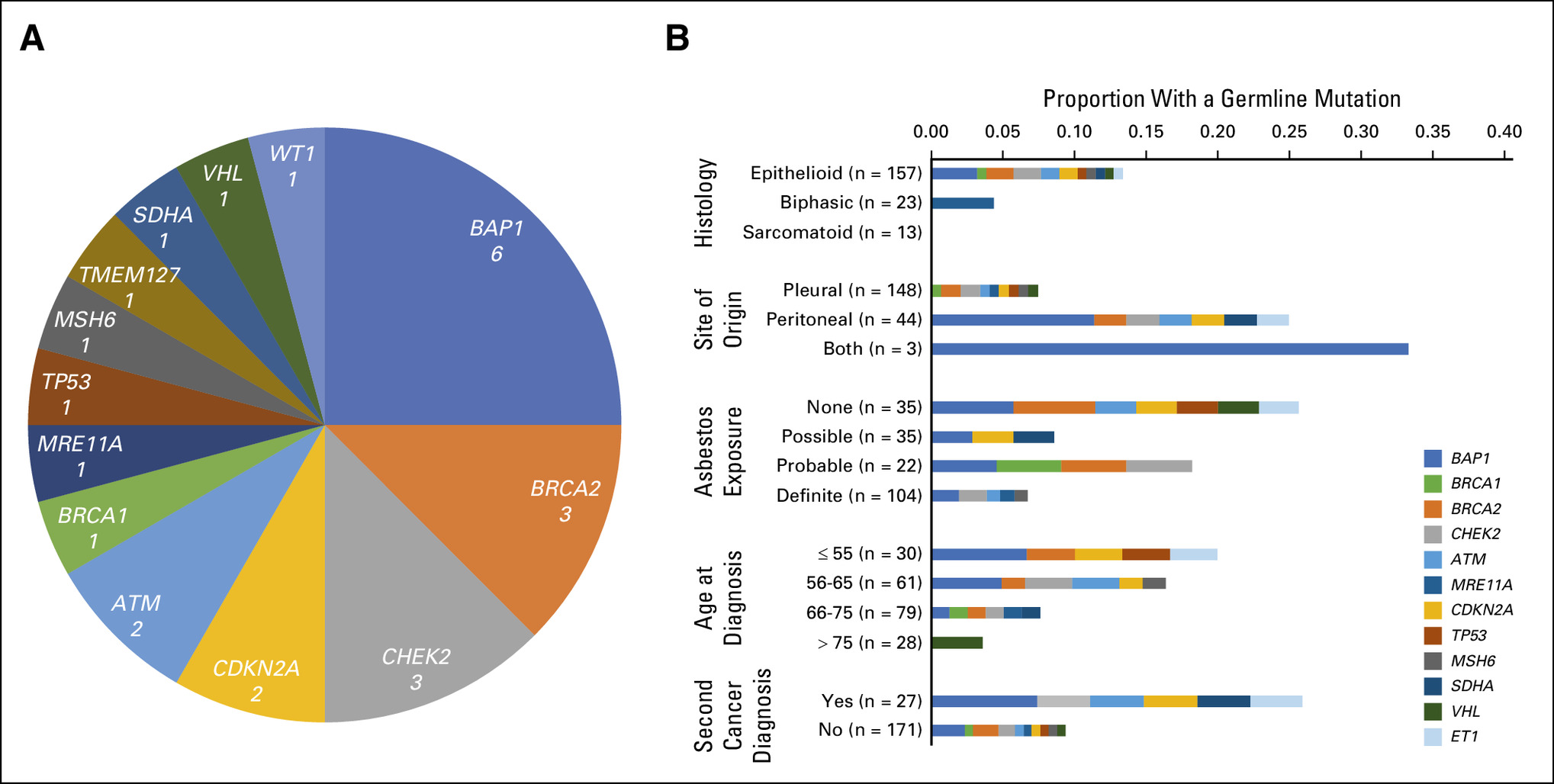
Dr. Churpek’s work explores the role of pathogenic inherited genetic variants in mesothelioma, a cancer traditionally linked to asbestos exposure. Her research identified that 12% of unselected mesothelioma patients carry an inherited pathogenic variant in one of 13 cancer susceptibility genes, most of which are involved in DNA repair pathways. This discovery suggests a broader genetic basis for mesothelioma, highlighting inherited genetic variants as risk factors in disease development and treatment outcomes. Additionally, patients with these inherited variants showed improved survival rates following platinum-based chemotherapy.
Building on these findings, Dr. Churpek is currently investigating how these genetic alterations can predict treatment responsiveness. This research is supported by a Department of Defense Award (W81XWH2110817), where she is using whole genome and RNA sequencing to assess the full spectrum of DNA repair-related genetic changes in mesothelioma. The goal is to develop a predictive model for platinum sensitivity that could be used in clinical practice. Dr. Churpek’s work also focuses on understanding the unique clinical characteristics of individuals with both mesothelioma and a germline pathogenic variant, aiming to refine patient management strategies.
Papers in Plain Language
Coming soon!