
An acrylic computer generated image with waves alongside a floating golden DNA double helix.

Genetic and Environmental Interactions in Cancer and Blood Disorders

General Audience

Dr. Churpek’s lab studies how inherited genetic variation and things people are exposed to—like cancer treatments or harmful substances in the environment—can work together to raise the risk of cancer and blood problems. Her team looks at how an individual’s inherited genetics might increase risk for diseases like leukemia and mesothelioma, especially when combined with certain treatments or exposures.

By studying DNA from families and groups of people as well as their exposures, her team hopes to find out who might be at higher risk and why. The goal is to use this information to help doctors find these problems earlier, choose better treatments, and even prevent disease in people who are more likely to get sick.

Scientific Audience
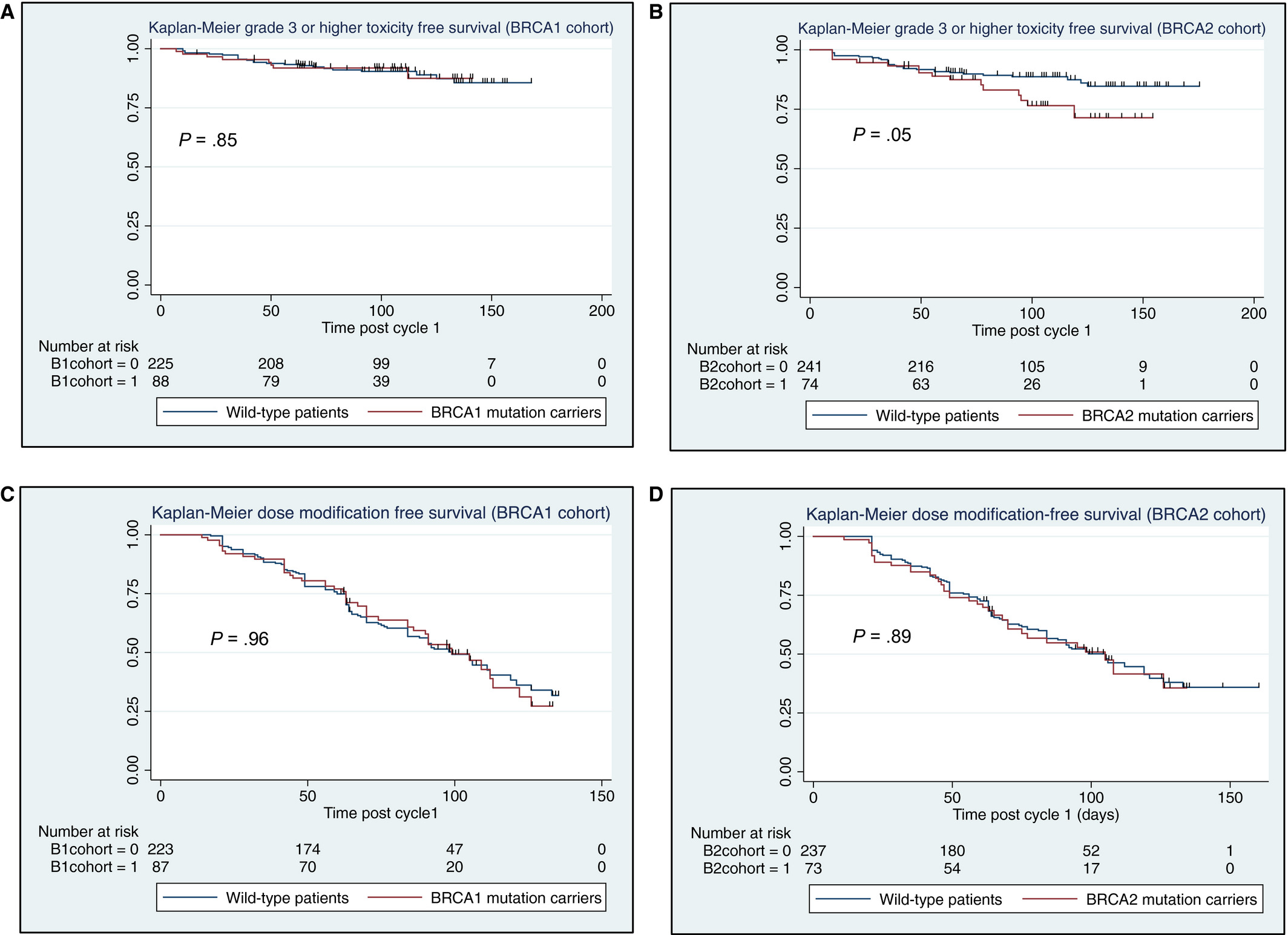
West AH, Knollman H, Dugan J, Hedeker D, Handorf EA, Nielsen SM, Bealin LC, Goldblatt LG, Willems H, Daly MB, Afghahi A, Olopade OI, Hulick PJ, Shagisultanova E, Huo D, Obeid E, Churpek JE. Hematologic toxicity in BRCA1 and BRCA2 mutation carriers during chemotherapy: A retrospective matched cohort study. Cancer Med. 2019 Sep;8(12):5609-5618. doi: 10.1002/cam4.2471. Epub 2019 Aug 12. PubMed PMID: 31407530

A major research focus of Dr. Churpek’s laboratory is understanding how inherited genetic predispositions interact with endogenous and exogenous exposures to influence cancer and blood disorder risk. Her team investigates the role of inherited mutations in therapy-related leukemia, mesothelioma, and other malignancies linked to environmental or therapeutic exposures. By analyzing family and population-based human samples in conjunction with genomic studies, she aims to identify individuals at heightened risk and uncover gene-environment interactions that drive disease. Her ultimate goal is to translate these findings into improved clinical guidelines for early detection, personalized treatment approaches, and preventative strategies for high-risk individuals.

West AH, Knollman H, Dugan J, Hedeker D, Handorf EA, Nielsen SM, Bealin LC, Goldblatt LG, Willems H, Daly MB, Afghahi A, Olopade OI, Hulick PJ, Shagisultanova E, Huo D, Obeid E, Churpek JE. Hematologic toxicity in BRCA1 and BRCA2 mutation carriers during chemotherapy: A retrospective matched cohort study. Cancer Med. 2019 Sep;8(12):5609-5618. doi: 10.1002/cam4.2471. Epub 2019 Aug 12. PubMed PMID: 31407530
Panou V, Gadiraju M, Wolin A, Weipert CM, Skarda E, Husain AN, Patel JD, Rose B, Zhang SR, Weatherly M, Nelakuditi V, Knight Johnson A, Helgeson M, Fischer D, Desai A, Sulai N, Ritterhouse L, Røe OD, Turaga KK, Huo D, Segal J, Kadri S, Li Z, Kindler HL, Churpek JE. Frequency of Germline Mutations in Cancer Susceptibility Genes in Malignant Mesothelioma. J Clin Oncol. 2018 Oct 1;36(28):2863-2871. doi: 10.1200/JCO.2018.78.5204. Epub 2018 Aug 16. PubMed PMID: 30113886
Cabral PL, Aimalla N, Shoger K, Caskey JR, Zurbriggen L, Shah N, Basharat A, Moat LF, Reinig E, Long K, Pozzo P, Kitchner T, Eickhoff J, Carter TC, Churpek JE. Clonal Hematopoiesis Prevalence Years Before a Thyroid Cancer Diagnosis: A Case-Control Study. JCO Precis Oncol. 2025 Aug;9:e2400760. doi: 10.1200/PO-24-00760. Epub 2025 Aug 6. PMID: 40768677.

Papers in Plain Language

Coming soon!